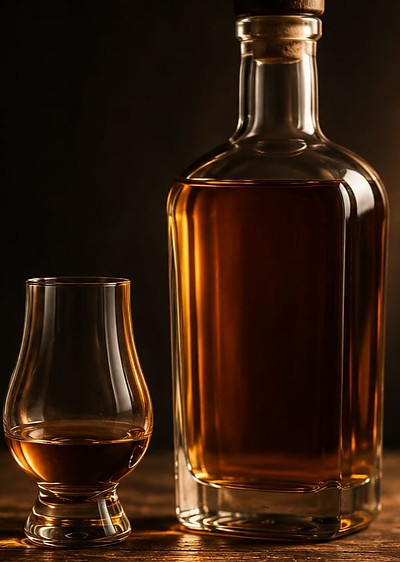
How Whiskey is made
From Grain to Glass
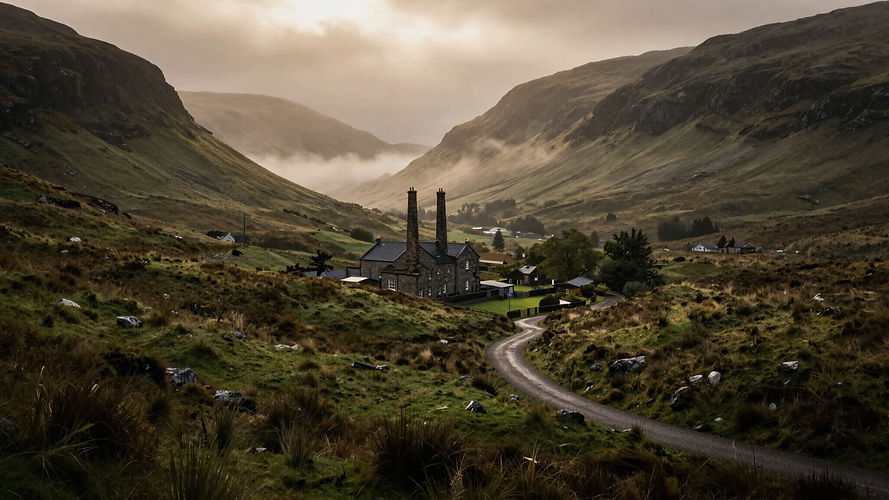
Pour a dram and it's easy to focus on what's in the glass. The aroma, the colour, the flavour, perhaps even the age statement on the label.
What we don't often think about is how many people—and how many years—it took to create it.
Long before whisky reaches an oak cask, farmers have grown the grain. Maltsters have carefully prepared it. Distillers have patiently guided fermentation and distillation. Then time quietly transforms a clear spirit into something altogether different. Whether it's Scotch, Irish whiskey, bourbon or Japanese whisky, every bottle follows the same broad journey.
The details are what make each one unique.
Four Ingredients. One Extraordinary Result.
At first glance, whisky seems remarkably simple.
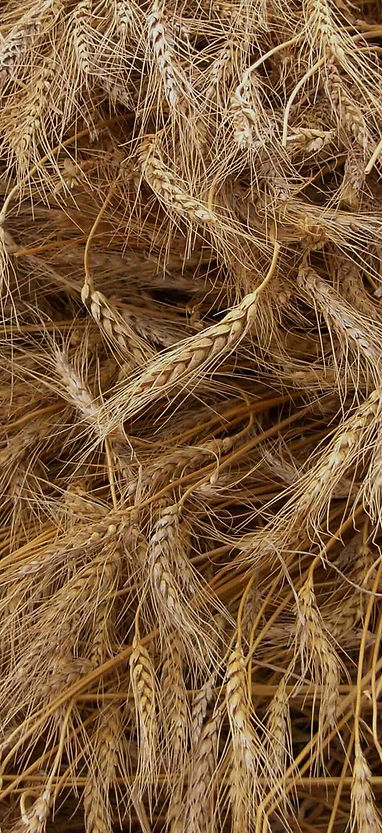
Every whisky begins with grain, water and yeast. Oak enters the story later, but without it many of the world's whiskies would never develop the colour, aroma and flavour we recognise.
If the ingredients are so simple, why do whiskies taste so different?
The answer lies in the decisions made throughout production. The variety of grain, the source of the water, the choice of yeast, the shape of the stills, the type of cask and the climate during maturation all influence the final character. Even two distilleries using broadly similar methods can produce remarkably different spirits.
Everything begins with grain.
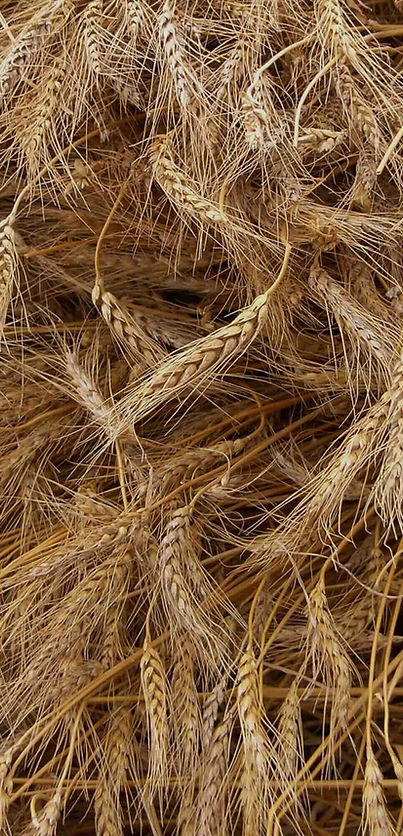
In Scotland, single malt whisky is made using malted barley as its only cereal grain. Elsewhere, different grains are chosen to create different styles. Corn forms the foundation of bourbon, contributing sweetness and body.
Rye is often associated with peppery, herbal and spicy notes, while wheat can produce a softer, rounder spirit. Many whiskies use more than one grain, allowing distillers to balance flavour, texture and aroma.
Although the grains differ, they all serve the same purpose. Each grain stores energy as starch. For the distiller, that's a problem because yeast cannot ferment starch, it can only ferment simple sugars. Before alcohol can be produced, those starches must first be converted into fermentable sugar.
Rather than forcing the grain to release its sugars, distillers take advantage of a natural process. By allowing the grain to begin growing, it produces enzymes that unlock its stored starch and convert it into sugar.
Everything that follows in whisky making depends on this first step.
Teaching Barley a New Trick
Before barley can help make whisky, the grain must first be prepared through a process known as malting. The barley is soaked in water and then allowed to germinate under carefully controlled conditions. As the grain begins to grow, enzymes become active inside it—the same enzymes the distiller will later rely on to break down its stores of starch.
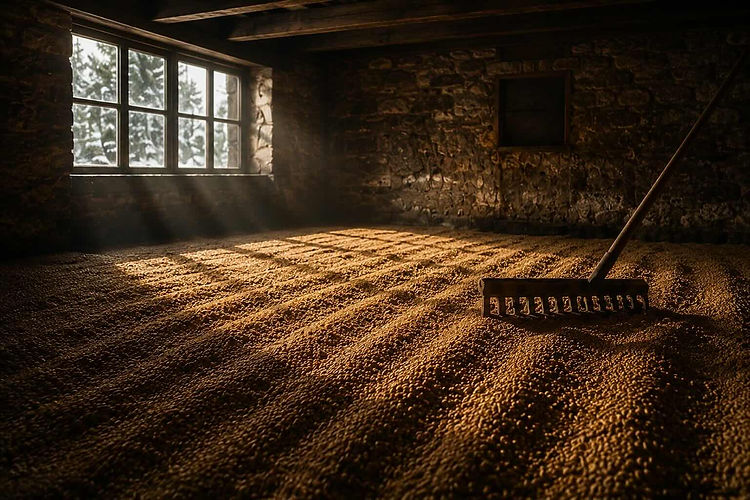
Traditionally, germinating barley was spread across large malting floors and regularly turned by hand to keep it aerated and prevent heat building up. A small number of distilleries still use traditional floor maltings today, although most malt is now produced in larger, specialised maltings.
Germination cannot continue indefinitely. Left alone, the growing barley would begin consuming the very energy the distiller wants to turn into alcohol. So the growth is stopped by drying the malt in a kiln. For most whisky, this is achieved largely with heated air. But some distillers introduce peat smoke during kilning. As the smoke passes through the damp malt, phenolic compounds are deposited on the grain and can eventually contribute the smoky, earthy or medicinal characteristics associated with peated whisky. What began historically as a practical source of fuel became one of whisky's most distinctive flavours. Today, the use of peat also sits within a much larger story about tradition, peatland conservation and the future of smoky whisky. Explore: The Future of Peated Whisky
Once drying is complete, germination has stopped and the malt is stable enough to move forward.
Now those enzymes can finally be put to work.
Unlocking the Grain
The barley leaves the kiln dry, stable and full of potential.
The enzymes created during malting have been preserved, but they haven't yet done the job they were created for. The grain still stores most of its energy as starch, and until that starch is converted into sugar, fermentation cannot begin.
The first step is to crush the dried malt into a coarse meal known as grist. The grain isn't ground into flour. Instead, the husk is broken open while the starch-rich centre is crushed into coarse particles. Keeping much of the husk intact helps form a natural filter during the next stage.
The grist is transferred to a large vessel called a mash tun, where it is mixed with carefully controlled hot water. Temperature is critical. Too cool, and the enzymes work slowly. Too hot, and they begin to lose their effectiveness before the conversion is complete. Distilleries carefully manage this balance to create the ideal conditions for turning starch into fermentable sugars.
As warm water passes through the grain, the enzymes finally begin their work. They break apart the long chains of starch, producing a warm, sweet liquid rich in dissolved sugars. This liquid is called wort.
The wort is then separated from the spent grain, which is commonly reused as nutritious livestock feed, ensuring very little of the barley goes to waste.
At this point, the liquid tastes nothing like whisky. It is sweet, malty and contains no alcohol. Yet for the first time, everything is ready for fermentation. The next stage belongs to the smallest worker in the distillery.
Yeast.
Whisky isn't made in a single day.
It's shaped by thousands of small decisions over many years.

The Distillery's Smallest Worker
The sweet wort leaves the mash tun and is cooled before entering large fermentation vessels known as washbacks. Only then is yeast added.
Although almost invisible to the naked eye, yeast is responsible for one of the most remarkable transformations in the entire whisky-making process. It feeds on the sugars created during mashing, producing alcohol, carbon dioxide and hundreds of flavour compounds that will influence the character of the spirit long before it reaches an oak cask.
Fermentation is far more than simply making alcohol. Different strains of yeast, fermentation times and distillery practices all contribute to the fruity, floral, spicy and sometimes tropical notes that can later be recognised in the finished whisky. Much of a whisky's character begins here, even though it may not become obvious until years later. Over the next two to four days, the bubbling gradually slows as the available sugars are consumed. The liquid that remains is known as wash.
At around 7–10% alcohol by volume, it resembles an un-hopped beer more than whisky. It is cloudy, slightly acidic and rich with the aromas created during fermentation. There is still no colour from oak and none of the familiar flavours associated with a mature spirit. That transformation comes next.
The wash is now ready for the stage that gives every distillery its own unmistakable signature.
Distillation.
The Birth of New Make Spirit
The wash has done its job. It contains alcohol, water and hundreds of flavour compounds created during fermentation. The challenge now is to separate and concentrate the alcohol while preserving the character that has already begun to develop. This is the role of the still.
Most Scottish single malt distilleries use traditional copper pot stills, a design that has changed remarkably little over the centuries. The wash is gently heated, creating alcohol-rich vapours that rise through the still before cooling and returning to liquid in the condenser. Distillation is not simply about producing stronger alcohol. It is about selecting the best part of the spirit.
As the liquid flows from the still, it is divided into three parts. The first, known as the heads (or foreshots), contains lighter compounds that are not wanted in the final spirit. The last, known as the tails (or feints), contains heavier compounds that can produce coarse flavours. Between them lies the heart. Only this middle portion is collected to become new make spirit. The heads and tails are typically returned for redistillation, allowing valuable alcohol to be recovered while maintaining the desired character of the spirit. Fresh from the still, new make spirit is crystal clear.
Despite its appearance, it already carries the flavours created during fermentation and refined through distillation. It is recognisably the spirit of its distillery, even though it has not yet developed the colour and complexity most people associate with whisky. That transformation comes next.
The journey now leaves the still behind and enters the quiet darkness of the cask.


Years That Cant Be Rushed
Fresh from the still, the new make spirit is crystal clear. Although it already carries the character of the distillery, it lacks the colour, aroma and depth most people associate with whisky. Those qualities develop slowly during maturation in oak casks. Time is one of whisky's most important ingredients. As the spirit rests inside the cask, it gradually draws colour and flavour from the wood while becoming smoother and more complex. The type of oak, the cask's previous use and the length of maturation all influence the whisky's final character.
Not every drop remains. A small amount evaporates through the cask each year—a natural loss known as the angel's share.
Eventually, the distiller decides the whisky has reached the right balance between spirit, oak and time.
Only then is it ready for its final stage.
Ready for the Bottle
After years of maturation, the whisky is finally ready for its last journey. Before bottling, the distiller samples each cask to determine whether it has reached the desired character. Some whiskies are bottled from a single cask, while many are created by carefully combining spirit from multiple casks to achieve a consistent style.
Before it reaches the bottle, the whisky may be reduced with water to its intended bottling strength. Some producers also choose to filter the spirit or adjust its colour, while others prefer to bottle it as naturally as possible.
Every decision made at this stage reflects the style the distillery wants to present.
From the barley field to the bottle, the whisky has been shaped by thousands of small choices—each one influencing the character found in the final dram.
The journey may be complete.
Understanding it, however, is only just beginning.